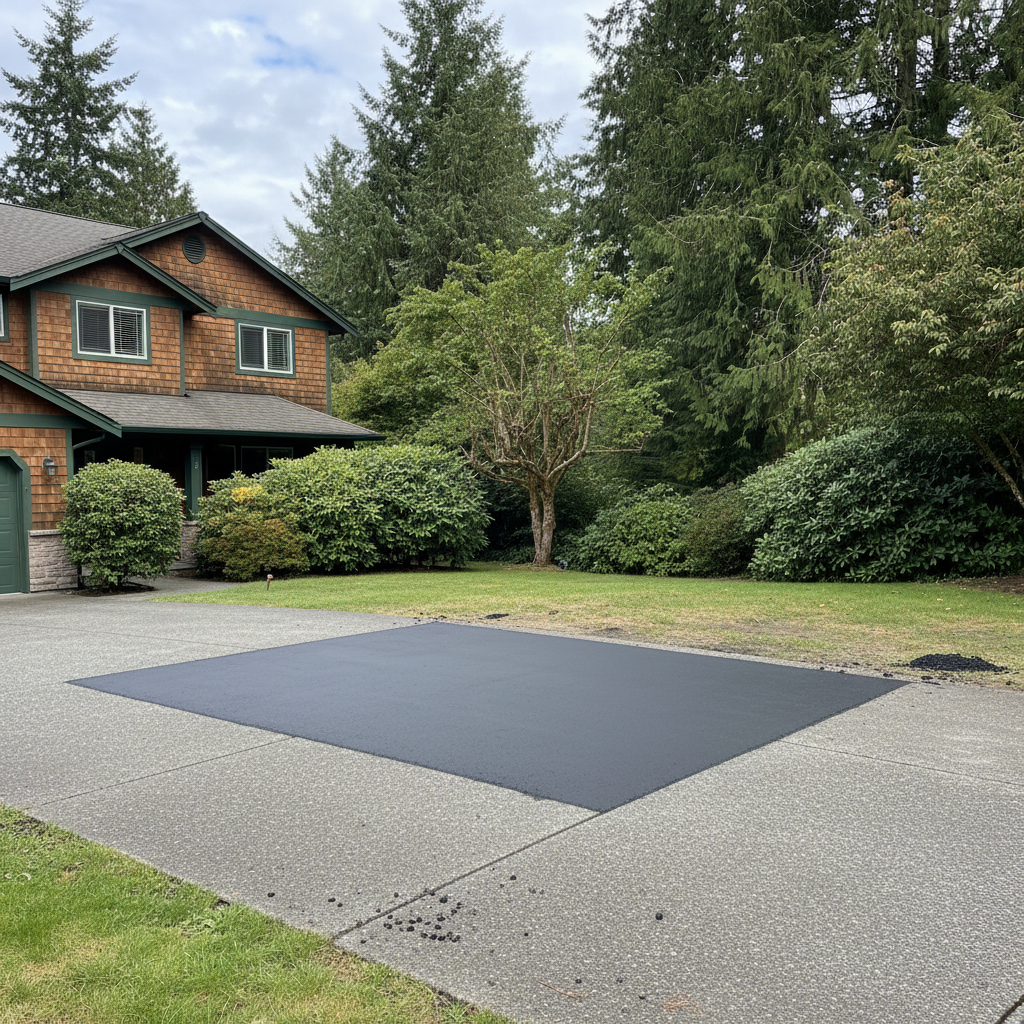
You're staring at that crack or pothole in your driveway, and you just know it's time for some asphalt patching. Good call, by the way – ignoring those things only makes them worse. But hold on a minute before you rush into hiring someone or trying to fix it yourself. Let me clue you in on some of the most common blunders I see homeowners in Kent make. Steering clear of these can save you a ton of grief and cash later on.
Mistake #1: Only Looking at the Cheapest Price
Look, I totally get it. Everyone wants a good deal, right? But when we're talking about asphalt patching, the lowest bid is almost never the best one. I’ve seen this play out countless times: someone picks the rock-bottom price, and six months later, they’re calling me because the patch failed, it’s sinking, or it’s a completely different color than the rest of their driveway. A cheap bid often means corners got cut – maybe cheaper materials, less prep work, or an inexperienced crew.
You aren't just buying a patch; you're investing in a repair that should actually last. So, ask yourself why one bid is way lower than the others. Are they licensed and insured? Do they offer any kind of warranty? Are they actually using quality hot mix asphalt, or are they just slapping down some cold patch that won't stand up to our wet Kent winters? Think about it.
Mistake #2: Not Figuring Out Why the Damage Happened
This is a really big one. You spot a crack, you want it fixed. Sounds simple enough, right? Well, not always. A good contractor won't just patch the visible problem; they'll try to figure out what caused it in the first place. Is it poor drainage? Pesky tree roots? An unstable sub-base underneath? If you just patch over a symptom without addressing the real cause, that crack or pothole is definitely coming back, probably in the same spot or even worse.
Especially around places like the East Hill, where you've got all sorts of soil conditions and sometimes older infrastructure, understanding the underlying issue is super important. A quick fix might look good for a bit, but it’s a total waste of money if the core problem isn't truly solved. Ask your contractor what they think caused the damage and what they plan to do to keep it from happening again. If they can't give you a straight answer, that’s a big red flag.
Mistake #3: Skipping Prep Work and Using Bad Materials
Patching isn't just about dumping asphalt into a hole, you know. There's a lot of critical prep work involved. The area needs to be cleaned thoroughly – no loose debris, no dirt, and definitely no standing water. The edges of the patch also need to be cut cleanly and vertically to create a strong bond. If they just pour asphalt into a ragged, dirty hole, it won't stick right, and it'll fail quickly.
Then there's the material itself. Are they using hot mix asphalt that's properly compacted? Or are they just throwing down cold patch, which is really only a temporary fix? For a repair that lasts, you need hot mix, applied at the right temperature, and compacted with the right equipment. If you see someone with just a shovel and a tamper, you might want to ask a few more questions.
Mistake #4: Not Checking References or Reviews
This one seems like a no-brainer, but people still skip it all the time. You're inviting someone onto your property and trusting them with a pretty significant repair. Do your homework! Check for reviews online – Google, Yelp, even local Kent community groups on social media. Ask for references from past clients. A reputable company, like Valley Paving Co., will be happy to provide them.
Don't just look for glowing reviews; see how they handle negative feedback too. Are they responsive? Do they try to make things right? A contractor who stands behind their work and communicates well is worth their weight in gold. You want someone who's going to be around if there's an issue a few months down the line, don't you?
Mistake #5: Not Getting Everything in Writing
Verbal agreements are fine for small favors, but not for asphalt patching. Get a detailed written estimate or contract. It should clearly spell out:
- The scope of work: What exactly are they patching? How many spots? What size?
- Materials they'll use: Hot mix asphalt, cold patch, specific sealants?
- Preparation steps: Cleaning, cutting, tack coat application.
- Timeline: When will they start and finish the job?
- Warranty: What's covered and for how long?
- Total cost: No hidden fees, ever.
This protects both you and the contractor. If there's a disagreement later, you have something solid to refer back to. Don't let anyone pressure you into starting work without a clear understanding and a signed agreement. Being prepared and asking the right questions upfront will save you a lot of grief and make sure your asphalt patching project is done right the first time.