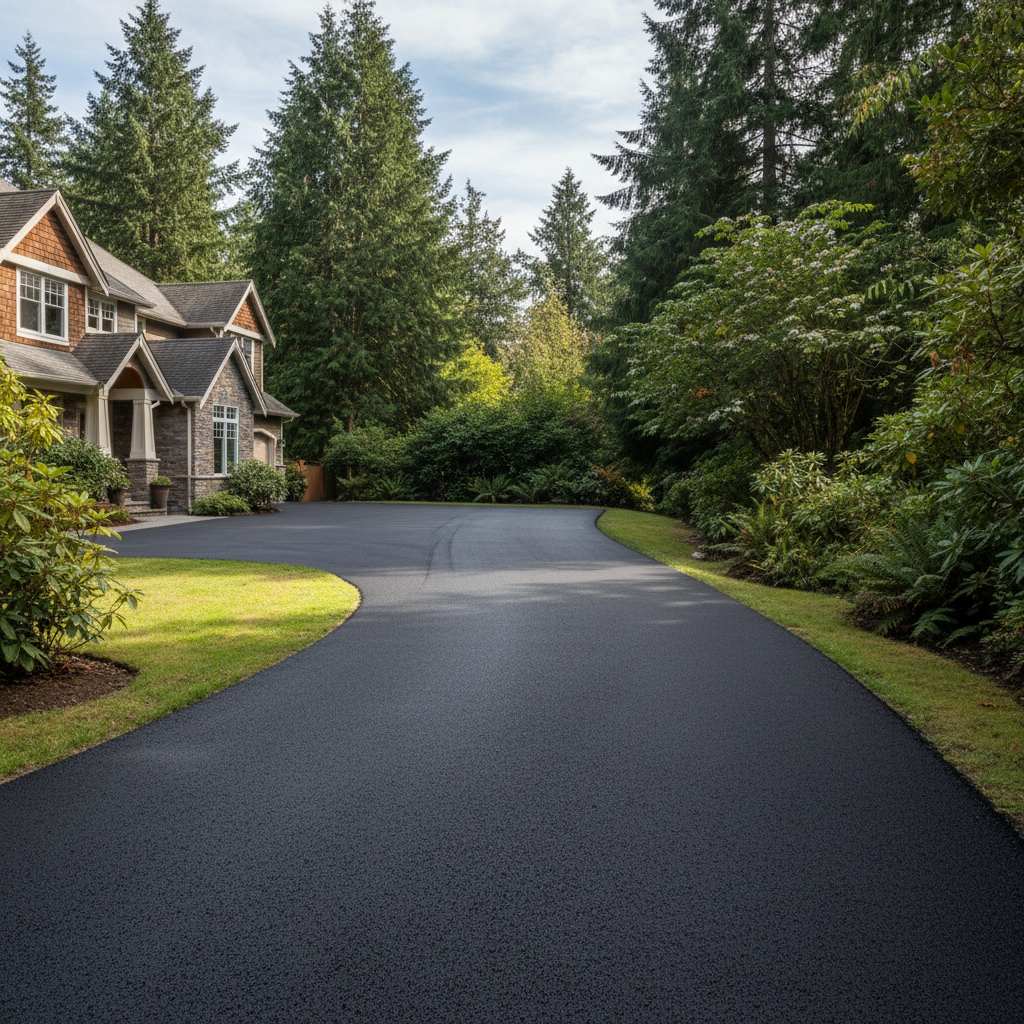
Your commercial property's asphalt isn't just a surface; it's the first thing customers see, and it's got to stand up to a lot. We're talking heavy traffic, delivery trucks, and that lovely Pacific Northwest weather. You want that pavement to last, right? Of course you do. So let's talk about how to make that happen and what to look out for.
Extend Your Asphalt's Life: It's All About Prevention
Think of your asphalt like any other major asset on your property – it needs regular care to perform its best and last its longest. Here in Kent, we deal with a lot of rain, freeze-thaw cycles, and sometimes even a bit of snow. These conditions are tough on pavement. The biggest thing you can do to extend its life is keep water out.
- Sealcoating: This isn't just for looks; it's a protective barrier. It seals the small cracks, prevents water penetration, and protects the asphalt binder from UV rays and oxidation. I usually recommend a fresh sealcoat every 2-3 years for most commercial properties, depending on traffic volume. It's like sunscreen for your parking lot.
- Proper Drainage: Standing water is the enemy. If you've got areas where water puddles after a rain, that's a problem. It softens the asphalt, leads to cracking, and eventually potholes. Make sure your catch basins are clear and that the grading directs water away from the pavement. We see this issue a lot around the older industrial parks near the Green River, where the ground can be a bit softer to begin with.
- Prompt Repairs: Don't let small cracks become big problems. I can't stress this enough. A small crack lets water in, which then freezes, expands, and turns into a much larger crack or a pothole. Get those fixed quickly.
Regular Maintenance: Your Pavement's Best Friend
Beyond sealcoating, there are some routine things you should be doing.
- Sweeping and Cleaning: Get rid of dirt, debris, and gravel. This stuff isn't just unsightly; it can hold moisture against the asphalt and contribute to wear, especially if vehicles are constantly grinding it into the surface.
- Line Striping: Fresh, clear lines aren't just for aesthetics; they guide traffic, improve safety, and make your property look well-maintained. When you're getting sealcoating done, it's the perfect time to re-stripe.
- Catch Basin Maintenance: As I mentioned, keep those clear. If they're clogged, water backs up, and that's when you start seeing real damage.
Warning Signs: Don't Ignore These
You don't need to be an asphalt expert to spot trouble. Just walk your lot regularly and keep an eye out for these:
- Cracks: Any cracks are a concern, but look specifically for alligator cracking (a series of interconnected cracks resembling alligator skin). That's a sign of base failure and means water has gotten underneath. Longitudinal cracks (running parallel to the pavement edge) and transverse cracks (running across the pavement) also need attention.
- Potholes: These are obvious. They're not just an eyesore; they're a tripping hazard for pedestrians and can damage vehicles. Get them patched pronto.
- Fading or Discoloration: If your asphalt looks gray instead of black, it's a sign that the binder is oxidizing and losing its flexibility. This makes it more brittle and prone to cracking. Sealcoating can help here.
- Depressions or Rutting: These are low spots or channels formed by repeated traffic. They collect water and indicate a weakening of the asphalt or the underlying base layer.
- Upheaval: If parts of your pavement are pushing up, it could be due to tree roots, frost heave, or unstable soil beneath. This is a more serious issue that often requires digging down to fix the root cause.
When to Call a Professional: Don't DIY Everything
For small crack filling or a quick pothole patch, you might be able to handle it yourself if you're handy. But for anything beyond that, you really want to call in the pros. Here's why:
- Expert Assessment: We can tell you if that crack is just surface-level or if it's a symptom of a deeper problem with your base. We know what to look for that you might miss.
- Right Materials and Equipment: We've got the industrial-grade sealants, hot mix asphalt, and heavy machinery to do the job right. Using the wrong stuff or trying to do it with inadequate tools will just lead to a temporary fix that costs you more in the long run.
- Cost-Effectiveness: It might seem cheaper to put off repairs, but small problems become big, expensive ones fast. A timely repair now can save you from a full overlay or replacement down the road. That's where Valley Paving Co. comes in. We can give you an honest assessment and a plan to keep your commercial pavement in great shape.
Don't wait until your parking lot looks like a lunar landscape. Regular maintenance and addressing issues early will keep your Kent commercial property looking good and functioning safely for years to come.