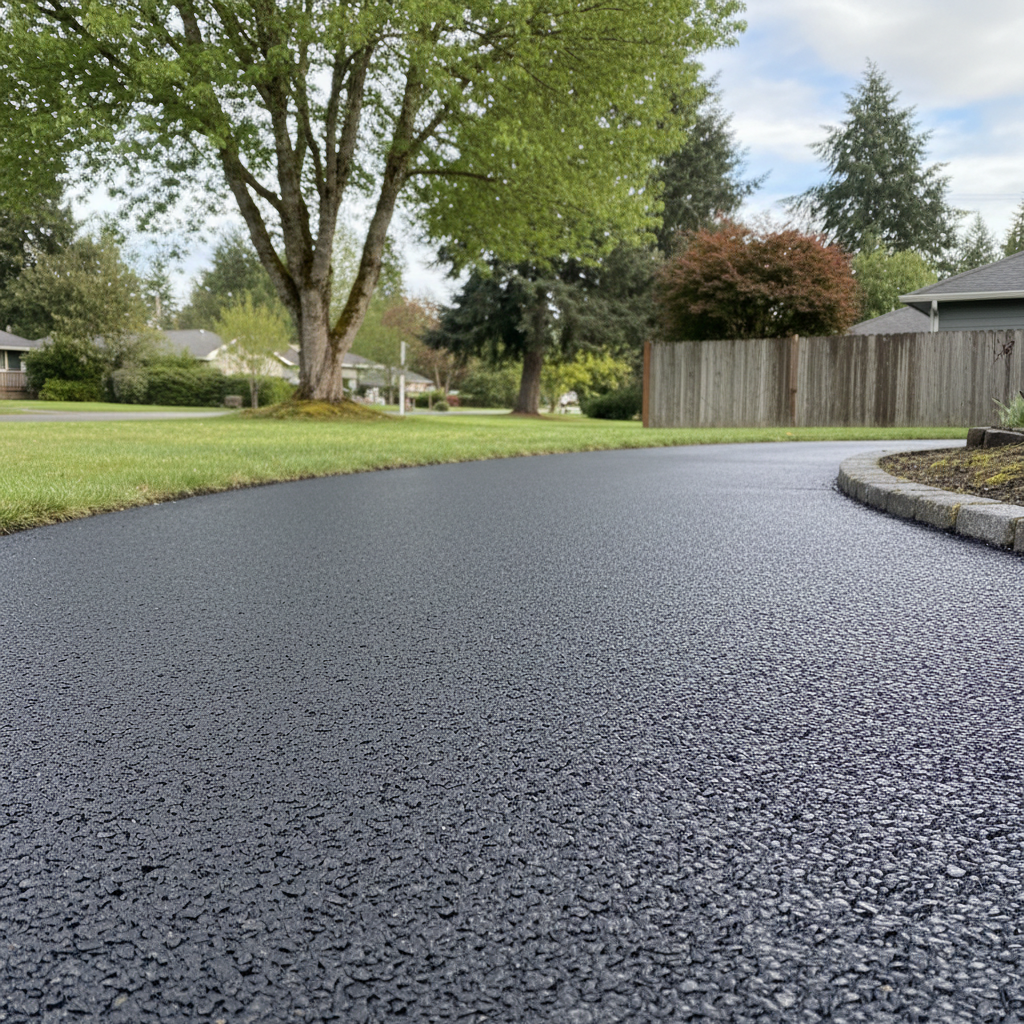
How much does a new asphalt driveway cost in Kent?
This is always the first question, and it's a good one. The truth is, there's no single answer because every driveway is different. What I can tell you is what factors play into it. You've got the size of the area, of course – bigger driveways mean more material and labor. Then there's the existing surface; if we're tearing out an old concrete slab or a really beat-up gravel drive, that's more work than just paving over a decent base. Drainage is a big deal too. If your yard slopes poorly or you've got standing water issues, we might need to do some extra grading or install a drain, which adds to the cost but saves you headaches later. Generally, for a typical residential driveway around here, you're looking at a few thousand dollars, but it's best to get a free estimate so we can see your specific situation. Don't cheap out on the base work; that's where the longevity comes from.
How long will my new asphalt driveway last?
A well-installed asphalt driveway, especially one put in by a reputable company like Valley Paving Co, should last you a good 20 to 30 years, sometimes even longer. But here's the catch: that's with proper maintenance. Think of it like your car; you wouldn't expect it to last without oil changes. For asphalt, that means regular sealcoating – usually every 2-3 years after the first year. It also means fixing any small cracks as they appear. The sun, rain, and freeze-thaw cycles we get here in Kent, especially with our wet winters, are tough on pavement. Good drainage also plays a massive role in longevity. If water sits on your driveway, it's going to break down a lot faster.
What causes cracks and potholes, and can they be prevented?
Cracks and potholes are the bane of every homeowner's existence, right? They usually start when water gets into tiny surface cracks. Once water's in, it freezes and expands in winter, pushing the asphalt apart. Then, when it thaws, it leaves a void. Traffic over that void eventually causes the surface to collapse, and boom, you've got a pothole. Heavy loads, like parking an RV or a work truck in the same spot all the time, can also stress the asphalt and cause cracks. Poor drainage is a huge culprit too. Prevention? Absolutely. A strong, properly compacted base is key from day one. Then, regular sealcoating protects the surface from water and UV damage. And patching small cracks as soon as you see them is critical. Don't let them get big; it's much cheaper and easier to fix a small crack than a full-blown pothole.
Can you pave over my existing concrete driveway?
This is a common question, and generally, no, I don't recommend it. Concrete and asphalt expand and contract at different rates. If you pave asphalt directly over concrete, those differences in movement will eventually cause reflective cracking in the new asphalt, mirroring the joints and cracks in the concrete underneath. Plus, you're adding more height, which can create drainage issues or problems with garage door clearance. It's almost always better to remove the old concrete and prepare a proper aggregate base for the new asphalt. It's more work upfront, but it gives you a much better, longer-lasting result.
How soon can I drive on my new asphalt driveway?
Patience is a virtue when it comes to new asphalt. You'll want to stay off it for at least 24-48 hours, depending on the weather. If it's a really hot day, it might need a bit longer to cure and harden properly. Even after that initial period, the asphalt isn't fully cured for several months. For the first few weeks, avoid turning your steering wheel while stopped (that's called power steering marks, and they can leave scuffs). Try not to park heavy vehicles in the same spot every day for extended periods, and don't drag anything heavy across it. Think of it like a new concrete sidewalk; it needs time to set up and get strong.
What's the deal with sealcoating? Is it really necessary?
Yes, absolutely. Think of sealcoating as sunscreen and a protective topcoat for your driveway. Asphalt is made with petroleum, and over time, the sun's UV rays and chemicals like oil and gas break down the binders in the asphalt, making it brittle and gray. Sealcoating puts a fresh, protective layer over the top. It seals those tiny hairline cracks before they become bigger problems, prevents water penetration, and gives your driveway that rich, black look again. I recommend sealcoating about a year after installation, and then every 2-3 years after that. It's a small investment that significantly extends the life of your driveway, especially with the amount of rain and sun exposure we get here in the Pacific Northwest.
Do you offer repairs, or just full replacements?
We do both! A lot of folks think if their driveway has a few cracks or a pothole, it's a goner. Not necessarily. We handle all sorts of asphalt repairs, from crack filling and patching to larger sections that need to be removed and replaced. Sometimes, if the base is still solid and the damage is localized, a good repair can add years to your driveway's life and save you the cost of a full replacement. We'll always give you an honest assessment of what makes the most sense for your situation and your budget. Sometimes a full replacement is the only logical choice, but often, repairs are a perfectly good option.