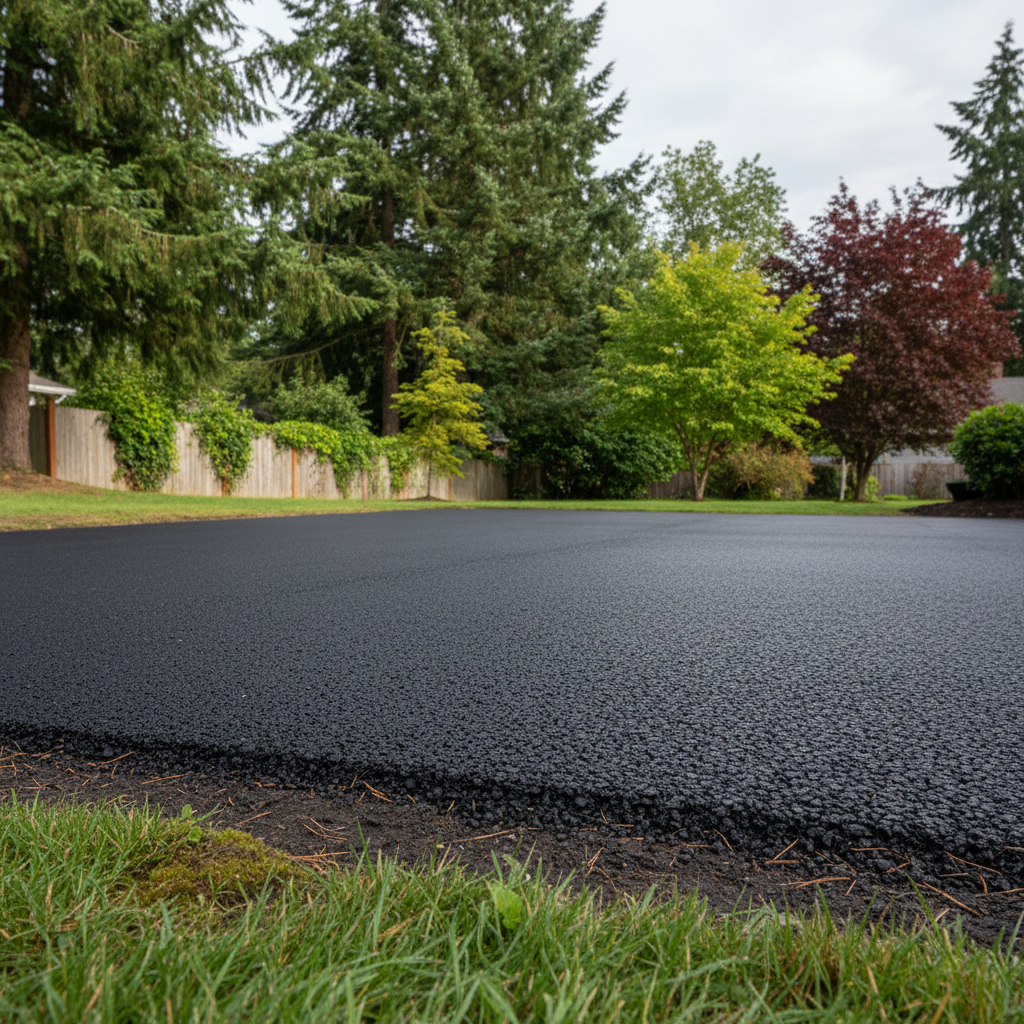
Thinking about a new parking lot or fixing up an old one at your Kent property? You've probably got a bunch of questions. I hear 'em all the time, and that's good. It means you're doing your homework, and that's exactly what I'd want you to do. As a local guy who's been doing this for years, I've seen pretty much everything around here, from the soggy ground out by Lake Fenwick to the older, established neighborhoods with their unique drainage challenges.
So, let's get into the nitty-gritty and tackle some of the most common questions I get asked about parking lot paving.
What's the best type of asphalt for a residential parking lot?
For most residential parking lots, especially those shared by a few townhomes or a small apartment complex, you're usually looking at a standard hot mix asphalt. What's 'standard'? It's a blend of aggregate (crushed rock, sand), binder (asphalt cement), and sometimes some additives. The key is getting the right mix design for our Kent weather. We get a lot of rain, right? So, you need a mix that compacts well and drains effectively. I typically recommend a dense-graded mix. It's durable, handles traffic well, and when installed right, it'll last you a good long time without breaking the bank.
How long does a new asphalt parking lot usually last?
A well-installed asphalt parking lot, properly maintained, can easily last 15 to 20 years, sometimes even longer. That's a big range, I know, but it really depends on a few things: the quality of the initial installation (especially the base prep), how much traffic it sees, and how well you keep up with maintenance. Things like crack sealing and sealcoating every few years make a huge difference. Neglect it, and you'll be looking at repairs much sooner. Treat it right, and it'll serve you for decades.
What's involved in the prep work before paving?
Prep work is everything. Seriously, it's probably the most critical part of the whole job. First, we'll assess the existing surface. If it's an old lot, we might need to mill it up or remove it entirely. Then comes the subgrade – that's the natural soil underneath. We need to make sure it's stable and drains properly. Here in Kent, with our clay-heavy soils in some areas, we often have to stabilize the subgrade or add a layer of crushed rock, called the aggregate base. This base layer is crucial for distributing the weight of vehicles and preventing cracks. We'll compact it thoroughly, making sure it's graded perfectly for drainage. If you skip or skimp on this step, you're just asking for trouble down the road.
How long before I can drive on a new asphalt parking lot?
You'll typically need to wait 2-3 days before driving on a new asphalt parking lot. That's for light vehicle traffic. For heavier trucks or sustained use, I'd recommend waiting a full week if you can. Asphalt needs time to cure and harden. It's not like concrete where it's a chemical reaction; asphalt cools and compacts. Driving on it too soon, especially in hot weather, can cause ruts and permanent damage. We'll always give you specific instructions based on the temperature and the exact mix we used, but that's a good rule of thumb.
What's the difference between patching and repaving?
Patching is for isolated areas of damage – potholes, small cracks, or sections that have deteriorated. We'll cut out the bad section, prepare the base, and lay new asphalt. It's a targeted repair. Repaving, or an overlay, is when we put a new layer of asphalt over the entire existing lot. This is usually done when the surface has widespread cracking, fading, or minor structural issues, but the underlying base is still sound. If your lot looks like a spiderweb of cracks or has significant alligator cracking across large areas, an overlay might be the best bet. If it's just a few potholes, patching is more cost-effective. Sometimes, if the damage is really extensive and deep, you're looking at a full remove and replace, which means tearing out the old lot and starting fresh.
Do I need permits for parking lot paving in Kent?
For most commercial or multi-family residential parking lot projects, yes, you'll likely need permits from the City of Kent. This often involves site plans, drainage plans, and ensuring you meet current ADA (Americans with Disabilities Act) requirements for parking stalls and access routes. Even for larger residential driveways that might resemble a small parking area, it's always best to check with the city's planning department. Don't skip this step; fines and having to redo work are a headache nobody wants. Valley Paving Co. can help guide you through the permitting process or advise you on what's needed for your specific project.
How important is drainage for a parking lot?
Drainage isn't just important, it's absolutely critical. Poor drainage is the number one enemy of any paved surface, especially here in the Puget Sound region. Water that sits on or under your asphalt will accelerate deterioration, lead to potholes, and eventually undermine the base. We design every parking lot with proper grading to ensure water flows off the surface and into appropriate drainage systems – whether that's catch basins, swales, or permeable areas. We'll pay close attention to the slope and ensure no low spots collect standing water. Good drainage protects your investment and keeps your lot looking good and functional for years.