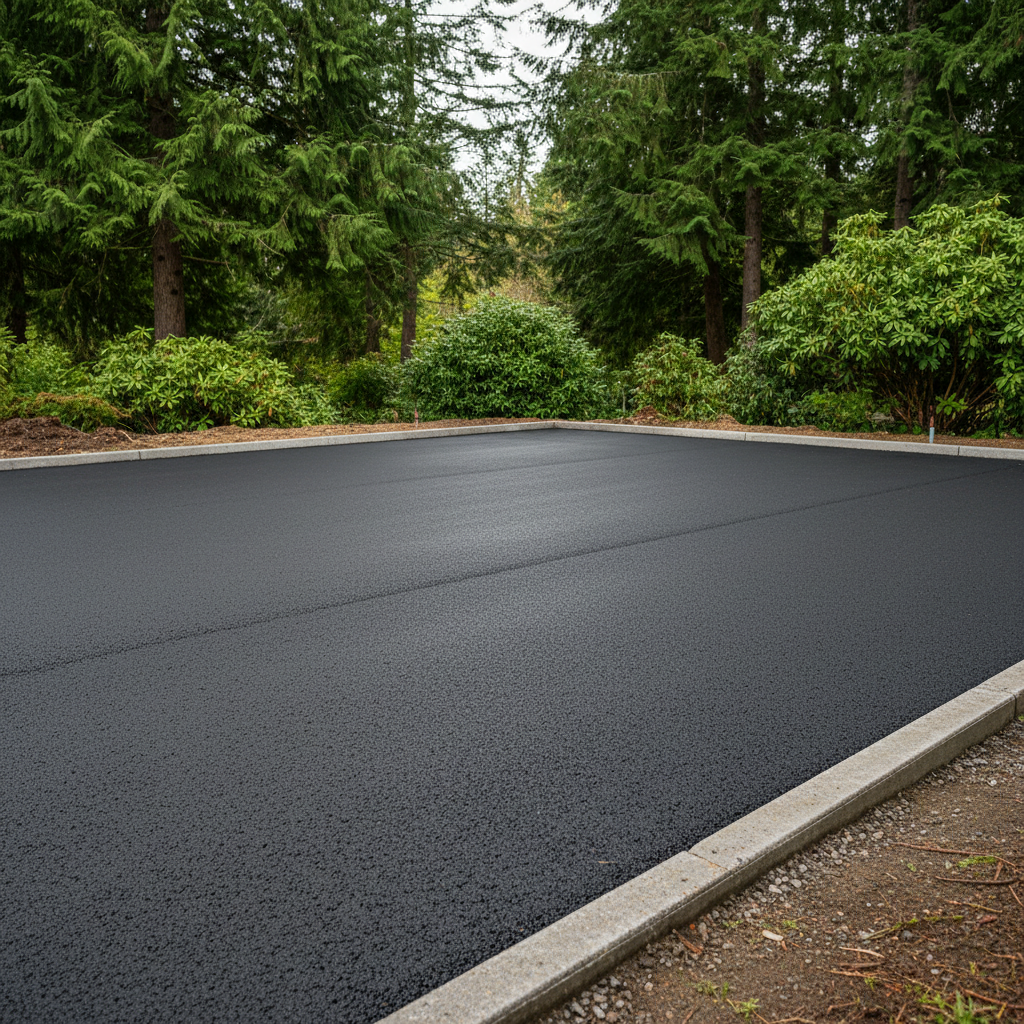
What's the real difference between residential and commercial asphalt? Can I just use driveway stuff for my small lot?
You might think asphalt is asphalt, right? Not quite. For your home driveway, we're usually talking about a mix made for lighter loads and less traffic. It's built to handle a few cars, maybe a truck or two, moving in and out a couple of times a day. Commercial asphalt, like what we use for parking lots, has to be much tougher. It's got a different aggregate blend, often more asphalt cement, and we lay it thicker. Just think: a parking lot sees dozens, sometimes hundreds, of vehicles daily – everything from compact cars to big delivery trucks. All those heavy loads, constant turning, and braking really stress the surface. Trying to use residential-grade asphalt for a commercial parking lot? That's like trying to build a skyscraper with LEGOs. It just won't hold up, and you'll be looking at repairs and replacement way sooner than you should.
How long should a new asphalt parking lot last in Kent's climate?
That's a great question, and it really depends on a few things, but generally, a well-installed asphalt parking lot should give you 15 to 20 years of good service. Now, that assumes a couple of things. First, proper installation is key – good sub-base prep, correct drainage, and the right asphalt mix. Second, maintenance. If you're sealcoating every 2-3 years and fixing cracks quickly, you'll get a lot more life out of it. Kent's weather, with its wet winters and occasional freezes, can be tough on pavement. Water is asphalt's worst enemy, no doubt about it. If it gets into cracks and freezes, it expands, making those cracks bigger. That's why regular sealcoating and crack filling aren't just for looks; they're vital for protecting your investment against our local conditions.
My parking lot has a lot of standing water after it rains. Is that a big deal?
Absolutely, it's a big deal. Standing water, or 'ponding,' is a major red flag. It means your parking lot isn't draining right, and that's going to make it fall apart faster. Puddles soften the asphalt, weaken the sub-base underneath, and can lead to potholes forming much quicker. It also creates a slip hazard for people walking and can make your property look neglected. The problem could be anything from bad grading during the original installation to settling over time, or even clogged drains if you have them. We'd need to come out and take a look to figure out the exact cause, but ignoring it will only lead to more expensive repairs down the road. Fixing the drainage is usually part of a good paving plan.
What's the deal with those 'alligator cracks'? Can they be fixed, or do I need a whole new lot?
Ah, alligator cracks. We see a lot of those, especially in older lots. They look like a bunch of interconnected cracks, kind of like an alligator's skin, and they're a sign of some serious structural failure. This usually happens when the sub-base beneath the asphalt has failed, often because of water getting in or heavy loads that were just too much for the pavement. For small, isolated areas of alligator cracking, sometimes a patch or a 'full-depth repair' (where we cut out the bad section and rebuild it) can work. But if it's spread out across a large part of your parking lot, you're probably looking at an overlay or even a full replacement. Trying to just sealcoat over widespread alligator cracks is like putting a band-aid on a broken leg – it won't solve the real problem and will just waste your money. We'll give you an honest assessment of what's truly needed.
How much disruption can I expect during a parking lot paving project?
That's a fair concern, especially if your business relies on that parking. The amount of disruption really depends on the work we're doing. For a simple sealcoating job, we can often do it in sections or after hours, keeping the impact minimal. Crack filling? That's pretty quick. If you're getting a full overlay or a complete tear-out and replace, that's going to take more time and likely mean closing off sections or even the entire lot for a bit. We always work with our clients to come up with a phasing plan that makes the most sense for their operations. We can schedule work during off-peak hours, over weekends, or in stages to keep some parking available. Communication is key here; we'll lay out the timeline and impact clearly so you can plan accordingly. Valley Paving Co. aims to get you back to business with minimal fuss.
Do I need to worry about permits for parking lot work in Kent?
For most routine maintenance like sealcoating, crack filling, or even small patching, you typically won't need a permit from the City of Kent. However, if you're doing something more substantial, like a complete tear-out and rebuild, changing the lot's footprint, altering drainage significantly, or adding new impervious surfaces, then yes, you'll likely need to go through the permitting process. This is especially true if your property is in a critical area or if the work affects stormwater management. It's always best to check with the city's planning department beforehand, or we can help guide you on what might be required. Getting caught without the right permits can lead to delays and fines, and nobody wants that.