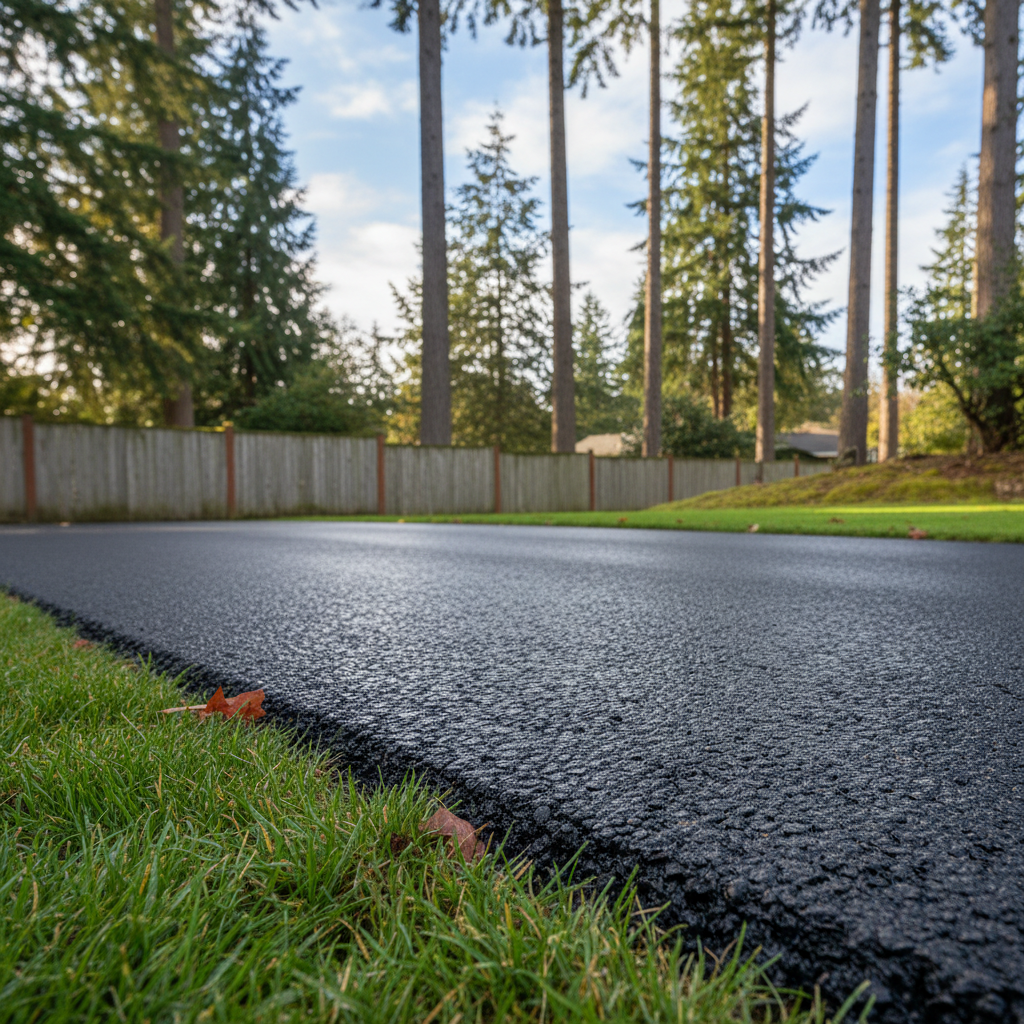
Thinking About a New Driveway? Here's the Deal.
So, you're looking at your driveway and thinking it's time for a change, or maybe it just needs some serious love. Residential asphalt paving isn't rocket science, but there are definitely things you need to know before you dive in. As a contractor right here in Kent, I've seen it all, from folks trying to patch huge cracks with a bucket of tar to perfectly laid driveways that'll last decades. The big question is always: what can you do yourself, and when do you absolutely need to call in the pros?
Before you even think about laying down hot asphalt, you've got to get the groundwork right. This is probably the most crucial step, and honestly, it's where most DIYers get into trouble. A good, stable base is everything. We're talking about proper excavation, grading, and compacting. If your existing driveway is just a mess of potholes and uneven spots, you might need to rip out the old stuff entirely. You can rent equipment for this – a skid steer or a small excavator – but operating them effectively takes skill. If you don't get the drainage right at this stage, you're going to have standing water, cracks, and premature failure, especially with our Puget Sound rain.
For minor repairs, like small cracks (think hairline, not Grand Canyon), you can absolutely tackle those yourself. There are plenty of good quality crack fillers at your local hardware store. Just clean out the crack thoroughly, apply the filler, and let it cure. It's not a permanent fix, but it'll buy you time and prevent water from getting under the asphalt and freezing, which makes things much worse.
During the Paving: Leave This to the Experts.
Alright, let's be super clear here: laying a new asphalt driveway is NOT a DIY job for the average homeowner. I'm not saying it to drum up business for Valley Paving Co, I'm saying it because I've seen the results when people try. Hot asphalt is incredibly heavy, it's hot (obviously), and it sets quickly. You need specialized equipment – a paver to spread it evenly, and heavy rollers to compact it to the right density. Without proper compaction, your driveway will be soft, uneven, and won't last. You'll get ruts and sinkholes in no time.
Plus, there's a real art to getting the right slope for drainage. If you live in an area like the East Hill or Lake Meridian neighborhoods, you know how important it is to get water flowing away from your house, not towards it. We're talking about precise measurements and an understanding of how water behaves. Trying to rent a paver and a roller and figure it out on the fly is a recipe for disaster and a huge waste of money.
When you hire a professional, they'll handle everything from the base prep to the final rolling. They'll also know how to work with the specific asphalt mix that's best suited for our climate and traffic loads. It's an investment, but a properly installed asphalt driveway can last 20-30 years with good maintenance.
After the Paving: Keeping Your Driveway Looking Good.
So, you've got a beautiful new asphalt driveway. Now what? The work isn't over. The first thing you need to do is give it time to cure. Don't park heavy vehicles on it or turn your wheels sharply in place for at least a few days, sometimes even a week or more, especially if it's hot out. Asphalt needs to harden up.
Maintenance is key to extending the life of your driveway. Here's what you can realistically do yourself:
- Keep it Clean: Sweep off dirt, leaves, and debris regularly. This prevents organic matter from breaking down and staining the surface, and also stops water from pooling.
- Address Spills Immediately: Oil, gas, and other automotive fluids can soften and dissolve asphalt. Clean up spills with an absorbent material and a mild detergent right away.
- Sealcoating: This is a big one. Sealcoating protects your asphalt from UV rays, water penetration, and oxidation. You can buy sealcoat products and apply them yourself with a squeegee or sprayer. It's a messy job, but definitely doable for a homeowner. Plan to do this every 2-3 years, depending on traffic and sun exposure. Make sure the driveway is clean and dry before you start.
- Small Crack Repair: As I mentioned earlier, stay on top of those small cracks. Don't let them grow into bigger problems.
For larger repairs, like significant potholes or areas where the asphalt has started to unravel, you're probably going to need a professional again. They have the equipment to cut out the damaged sections, prepare the base, and patch it seamlessly. Don't try to just dump a bag of cold patch in a big pothole and expect it to last; it's a temporary fix at best.
Ultimately, a good asphalt driveway is a team effort. You do your part with regular cleaning and sealcoating, and when it's time for the heavy lifting or complex repairs, you bring in a local pro like Valley Paving Co. It's how you get a driveway that looks great and stands up to years of use.